WPC Foam Sheet: Revolutionary Lightweight Building Material with Superior Insulation and Weather Resistance

Get a Free Quote

Our representative will contact you soon.
Email
Name
Company Name
Message
0/1000

wpc foam sheet

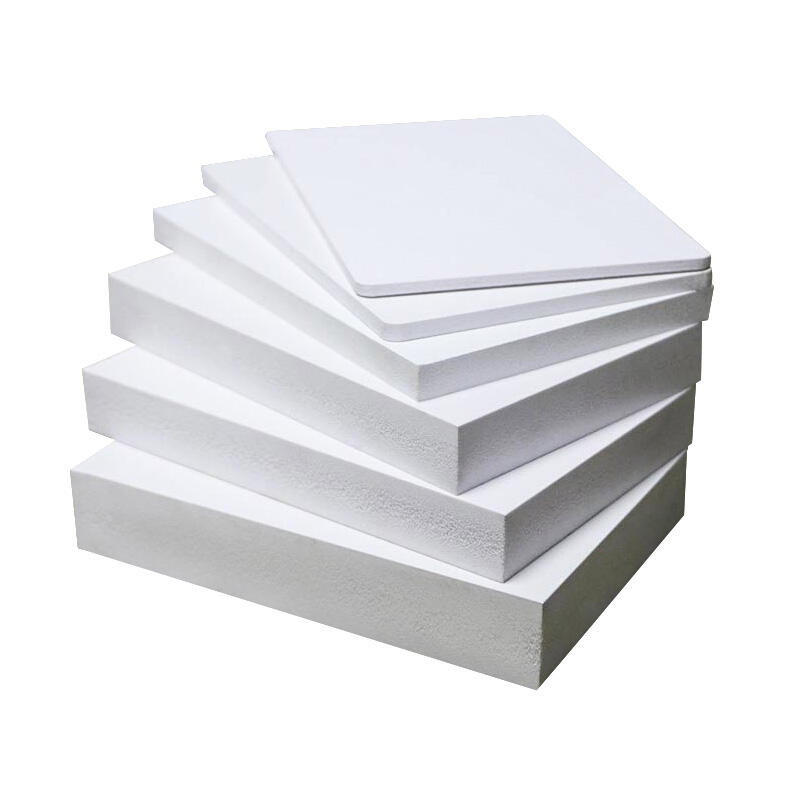
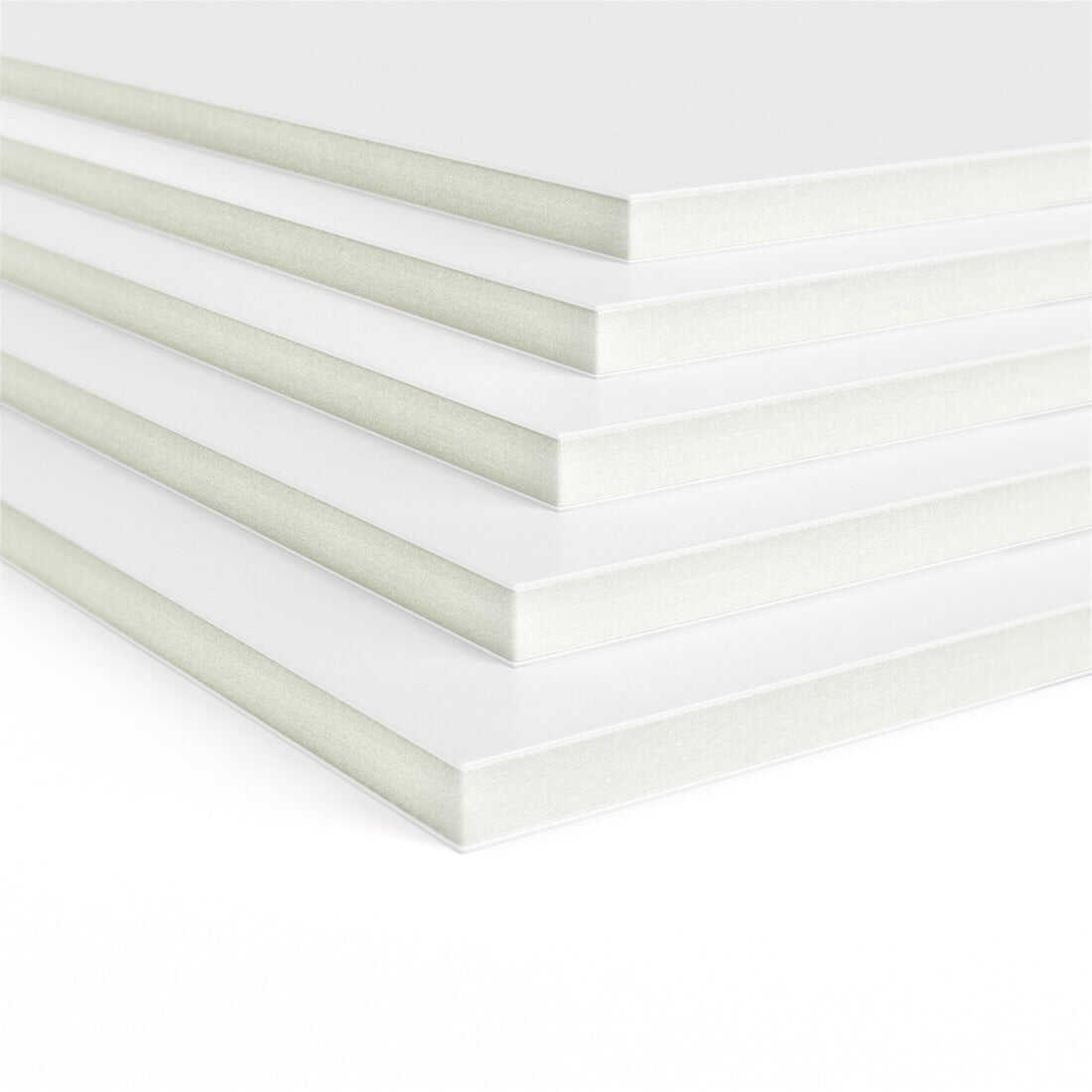
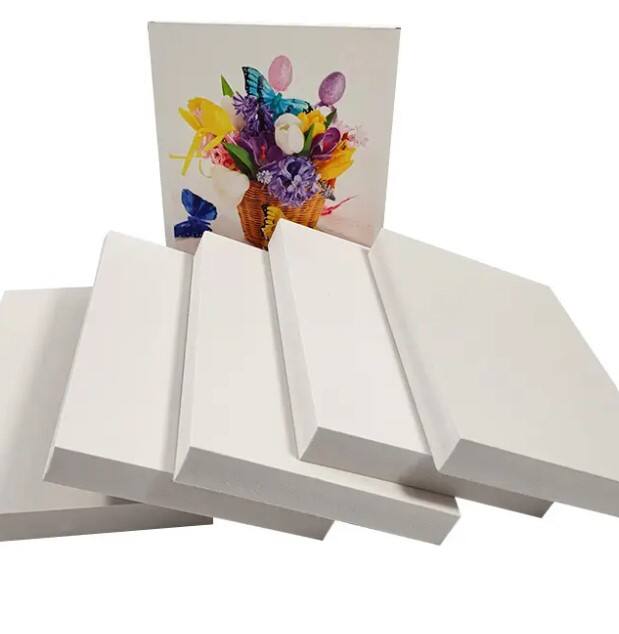
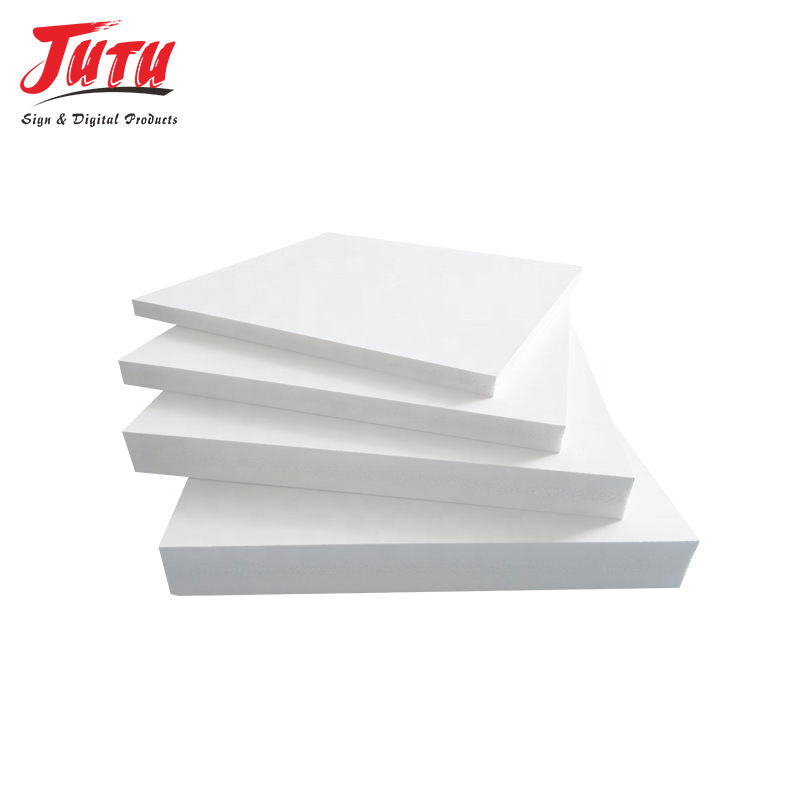
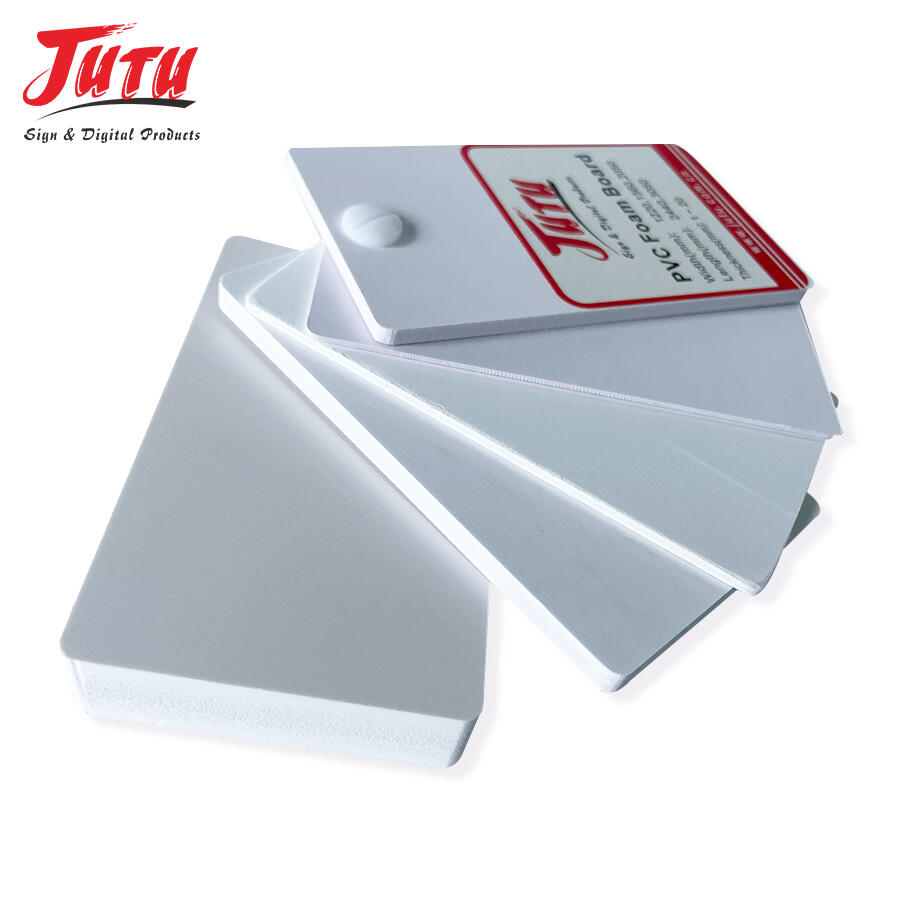
WPC foam sheet represents a revolutionary advancement in composite material technology, combining the natural benefits of wood fibers with the durability and versatility of plastic polymers in a lightweight, foamed structure. This innovative material emerges from the fusion of wood particles, thermoplastic resins, and specialized foaming agents, creating a product that delivers exceptional performance across multiple applications. The manufacturing process involves precisely controlled temperature and pressure conditions, allowing the wpc foam sheet to achieve optimal cellular structure while maintaining structural integrity. The primary functions of wpc foam sheet extend far beyond traditional building materials, offering superior insulation properties, moisture resistance, and dimensional stability that conventional wood products cannot match. Technological features include advanced cellular architecture that reduces weight by up to 40% compared to solid WPC boards while preserving strength characteristics. The foam structure incorporates closed-cell design principles, preventing water absorption and enhancing thermal insulation capabilities. Surface treatments and co-extrusion processes enable manufacturers to customize texture, color, and protective layers according to specific application requirements. Applications span residential and commercial construction sectors, including exterior siding, interior wall panels, ceiling systems, and decorative architectural elements. Marine and automotive industries increasingly utilize wpc foam sheet for non-structural components requiring lightweight, weather-resistant materials. The versatility extends to furniture manufacturing, signage production, and specialized industrial applications where traditional materials fall short of performance expectations. Processing capabilities allow for standard woodworking techniques including cutting, drilling, routing, and fastening, making installation straightforward for contractors and DIY enthusiasts alike.

New Products

WPC foam sheet delivers remarkable advantages that transform how builders, contractors, and homeowners approach construction and renovation projects. The lightweight design reduces transportation costs and installation time significantly, making projects more efficient and cost-effective from start to finish. Workers appreciate the reduced physical strain during handling and installation, leading to improved job site safety and productivity. The moisture resistance properties eliminate common problems associated with traditional wood products, including rot, warping, swelling, and dimensional changes that plague conventional materials in humid environments. This exceptional moisture barrier performance means wpc foam sheet maintains its original dimensions and appearance even in challenging weather conditions, providing long-term value and reducing maintenance requirements. The insulation characteristics create energy savings for property owners by improving thermal efficiency in walls, ceilings, and other building envelope applications. Unlike solid materials, the cellular structure traps air effectively, creating natural thermal barriers that reduce heating and cooling costs throughout the year. Installation flexibility represents another significant advantage, as wpc foam sheet accepts standard fasteners, adhesives, and joining methods without specialized tools or techniques. The material cuts cleanly with conventional saws, drills precisely without cracking or splintering, and accepts paint, stains, and other finishes according to design specifications. Environmental benefits include reduced reliance on virgin timber resources and the incorporation of recycled plastic content in many formulations. The manufacturing process generates minimal waste, and end-of-life recycling options exist for responsible disposal. Fire resistance properties exceed those of traditional wood products, providing enhanced safety in residential and commercial applications. The surface remains stable under UV exposure, eliminating the fading and degradation common with untreated wood materials. Chemical resistance protects against household cleaners, agricultural chemicals, and industrial solvents that would damage conventional alternatives. The combination of these practical benefits delivers superior return on investment through reduced maintenance, extended service life, and improved performance characteristics that justify initial material costs through long-term savings and enhanced property value.

Practical Tips

Why Honeycomb Board Furniture is Taking the Market by Storm

07

Nov

Why Honeycomb Board Furniture is Taking the Market by Storm

Introduction to Honeycomb Board Furniture Honeycomb board furniture has rapidly gained popularity across the global furniture industry due to its combination of lightweight design, high strength, and sustainability. Made from paper, aluminum, or comp...
View More
Honeycomb Board Furniture: A New Dimension in Comfort

07

Nov

Honeycomb Board Furniture: A New Dimension in Comfort

Imagine furniture that's lightweight, durable, and eco-friendly. Honeycomb Board Furniture is revolutionizing how you think about design and sustainability. Its unique structure offers endless possibilities for modern living. You’ll love how it...
View More
PVC Celuka Foam Sheets: A Lightweight Solution for Heavy Industries

07

Nov

PVC Celuka Foam Sheets: A Lightweight Solution for Heavy Industries

PVC Celuka Foam Sheets offer exceptional strength and durability, making them indispensable in heavy industries. Their resistance to chemicals, moisture, and fire ensures reliability in demanding environments. These sheets enhance industrial efficien...
View More
How PVC Foam Board Is Transforming Modern Signage Design

23

Dec

How PVC Foam Board Is Transforming Modern Signage Design

The signage industry has witnessed remarkable evolution in recent years, with PVC foam board emerging as a revolutionary material that's reshaping how businesses approach visual communication. This lightweight yet durable material has become the corn...
View More

Get a Free Quote

Our representative will contact you soon.
Email
Name
Company Name
Message
0/1000

wpc foam sheet

Superior Moisture and Weather Resistance Technology

Superior Moisture and Weather Resistance Technology

The wpc foam sheet incorporates advanced moisture barrier technology that fundamentally changes how building materials perform in challenging environmental conditions. Unlike traditional wood products that absorb water and experience dimensional changes, this innovative material features a closed-cell foam structure that prevents moisture penetration at the molecular level. The cellular architecture creates thousands of sealed air pockets throughout the material thickness, effectively blocking water vapor transmission and liquid moisture absorption. This technological breakthrough means wpc foam sheet maintains consistent dimensions regardless of humidity fluctuations, seasonal weather changes, or direct water exposure. The implications for construction projects are profound, as builders can specify this material in applications previously limited to expensive alternatives like vinyl, aluminum, or fiber cement products. Coastal installations benefit tremendously from the salt water resistance properties, as the plastic matrix remains unaffected by corrosive marine environments that rapidly degrade conventional materials. The weather resistance extends beyond moisture protection to include freeze-thaw cycle stability, where trapped water in traditional materials causes cracking and splitting damage. WPC foam sheet remains dimensionally stable through repeated temperature cycling, maintaining structural integrity and appearance over extended service periods. UV stabilizers integrated during manufacturing prevent color fading and surface degradation common with untreated wood exposure. This comprehensive weather protection eliminates the need for regular maintenance treatments like staining, sealing, or painting that traditional materials require to maintain performance and appearance. Property owners save thousands of dollars in maintenance costs while enjoying consistent appearance and performance year after year. The moisture resistance also prevents the growth of mold, mildew, and fungal organisms that thrive in damp wood environments, contributing to healthier indoor air quality and eliminating potential health hazards associated with biological contamination in building materials.
Lightweight Construction with Uncompromised Strength

Lightweight Construction with Uncompromised Strength

WPC foam sheet achieves an optimal balance between weight reduction and structural performance through sophisticated cellular engineering that delivers exceptional strength-to-weight ratios. The foaming process creates a controlled cellular structure that reduces overall material density by 30-40% compared to solid WPC boards while maintaining crucial mechanical properties required for construction applications. This weight reduction translates into immediate practical benefits for construction projects, including reduced shipping costs, easier handling during installation, and decreased structural loading on building frameworks. Workers can install larger panels with less physical effort, improving job site productivity and reducing labor costs associated with material handling. The lightweight characteristics enable new applications previously limited by weight constraints, such as ceiling installations, elevated deck systems, and retrofit projects where additional structural loading poses concerns. Despite the reduced weight, wpc foam sheet maintains impressive flexural strength and impact resistance through the strategic distribution of reinforcing wood fibers throughout the polymer matrix. The cellular structure actually enhances certain performance characteristics by providing improved sound dampening and thermal insulation compared to solid materials of equivalent thickness. Engineering testing demonstrates that the foam core structure distributes loads effectively across the material cross-section, preventing localized stress concentrations that cause failure in brittle materials. The manufacturing process allows precise control over cell size and distribution, enabling optimization for specific applications requiring particular strength or stiffness characteristics. Installation advantages include reduced fastener requirements due to improved load distribution and the ability to span greater distances without intermediate support structures. The combination of light weight and robust performance opens new possibilities for architectural designs where material weight restrictions previously limited creative expression. Transportation efficiency improves significantly, as more material fits in standard shipping containers and vehicles, reducing freight costs and environmental impact associated with material delivery to job sites.
Exceptional Thermal Insulation and Energy Efficiency Performance

Exceptional Thermal Insulation and Energy Efficiency Performance

The cellular structure of wpc foam sheet creates outstanding thermal insulation properties that significantly enhance building energy efficiency and occupant comfort across residential and commercial applications. The trapped air within the foam cells acts as a natural thermal barrier, reducing heat transfer through walls, ceilings, and other building envelope components where traditional solid materials allow excessive energy loss. Independent testing demonstrates R-values substantially higher than solid wood, conventional WPC products, and many traditional insulation materials of comparable thickness. This superior thermal performance translates directly into reduced heating and cooling costs for property owners, with energy savings that quickly offset material cost differences compared to conventional alternatives. The insulation characteristics remain consistent throughout the material service life, unlike fibrous insulations that may settle, compress, or lose effectiveness over time due to moisture or mechanical damage. WPC foam sheet maintains its cellular structure and thermal properties indefinitely when properly installed, providing reliable long-term energy savings that compound annually. The thermal bridge reduction capabilities surpass those of traditional framing materials, as the consistent insulation value across the entire panel eliminates heat transfer paths that compromise overall wall system performance. Installation in continuous sheets reduces thermal bridging at joints and connections, creating more effective building envelope systems. The material temperature stability means thermal properties remain consistent across seasonal temperature variations, providing reliable performance in both extreme cold and hot weather conditions. Building owners report noticeable improvements in interior comfort levels, with more consistent temperatures throughout conditioned spaces and reduced drafts commonly associated with thermal bridging in conventional construction. The energy efficiency benefits extend beyond direct heating and cooling savings to include reduced HVAC equipment sizing requirements, as improved envelope performance reduces peak heating and cooling loads. This equipment downsizing opportunity provides additional first-cost savings during construction while reducing ongoing maintenance and replacement costs associated with oversized mechanical systems. Green building certification programs recognize the energy efficiency contributions of wpc foam sheet installations, contributing points toward LEED, Energy Star, and other sustainability rating systems that enhance property value and marketability.